What is a rug pull and how can you recognize it in meme coin trading
· based on the channel lincedj06
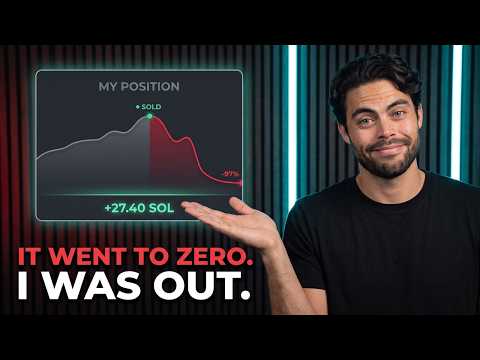
Video: Solana Meme Coin Tutorial 2026 — Beginner Friendly
A rug pull is a deceptive practice in the cryptocurrency world where developers or project creators suddenly withdraw liquidity from a token's pool, causing the token price to collapse and leaving investors with worthless coins. This scam is especially common in meme coin trading and decentralized finance (DeFi) projects on blockchains like Solana.
## How Rug Pulls Work in Meme Coin Trading
Rug pulls typically involve launching a new token, often a meme coin, and pairing it with a popular cryptocurrency (such as SOL) in a liquidity pool on decentralized exchanges like Raydium or pump.fun. The token creators deposit liquidity to enable trading, attracting investors. Once a significant amount of funds are locked in the pool, the developers remove liquidity, effectively "pulling the rug" from under investors.
This sudden withdrawal makes it impossible to sell the token on the market, causing its price to plummet to near zero. The scam exploits the trust and hype around meme coins, which often have little intrinsic value or utility.
## Key Components in a Rug Pull Setup
When creating a Solana meme coin, developers configure token supply, authorities (who can mint or burn tokens), and liquidity pools. Common patterns in rug pulls include:
- Centralized authority control: Developers retain the ability to mint unlimited tokens or withdraw liquidity.
- Unverified or anonymous teams: Lack of transparency increases risk.
- Liquidity locked temporarily or not at all: Absence of liquidity lock contracts allows quick withdrawal.
Using platforms like pump.fun and Raydium, creators launch meme coins with liquidity pools but may manipulate the liquidity or token price through these controls.
## Recognizing Rug Pull Red Flags
Investors should watch for several warning signs before investing in new meme coins:
- Token ownership and authority: Check if token minting or liquidity control is centralized.
- Liquidity lock status: Verify if liquidity is locked on-chain and for how long.
- Unrealistic hype or promises: Sudden aggressive marketing without fundamentals.
- Low trading volume or sudden spikes: May indicate price manipulation.
- Anonymous developers or no clear roadmap: Increases trust risk.
Performing these checks can help mitigate the risk of falling victim to a rug pull.
## How Liquidity and Token Prices Are Manipulated
Developers can manipulate liquidity by adding or removing it at will if they control the liquidity pool. Pumping the token price artificially by buying large amounts can attract unsuspecting investors (a "pump"), followed by a rug pull where liquidity is removed.
This cycle often occurs rapidly and is facilitated by platforms that allow easy creation and launch of meme coins, such as rugmemes.net, which offers tools for token creation but can also be exploited for scams.
## Security Checks Before Investing in New Tokens
Before trading or investing in a meme coin, especially on Solana, it is crucial to:
- Review the token contract: Look for minting authorities and liquidity control.
- Check liquidity lock status with on-chain explorers or audit tools.
- Research the development team and project transparency.
- Analyze trading volume and price history for manipulation signs.
These steps help investors avoid common pitfalls associated with rug pulls.
## Common Questions and Concerns from Traders
Many new traders ask how to detect a rug pull early and what tools can assist in this. Common concerns include understanding how to verify liquidity locks and recognizing suspicious token authority settings. Another frequent doubt is about how to differentiate a legitimate token launch from a scam, especially with meme coins that often lack fundamentals.
## Useful Links
- Create your own meme coin and learn more at rugmemes.net
## Conclusion
A rug pull is a dangerous scam that exploits the decentralized and anonymous nature of meme coin trading, especially on platforms like Solana. Understanding how rug pulls operate, recognizing red flags such as liquidity manipulation and centralized token control, and performing essential security checks are vital to protect investments. The tutorial by the channel lincedj06 provides a comprehensive guide to these risks and helps both developers and investors navigate the meme coin ecosystem more safely. For deeper learning and practical tools, visit rugmemes.net and stay informed about crypto security and token research.
Key takeaways
- A rug pull is a scam where developers withdraw liquidity suddenly.
- Meme coins on Solana are often targeted by rug pulls.
- Liquidity manipulation is a key rug pull technique.
- Platforms like pump.fun and Raydium are used to launch tokens and liquidity.
- Recognizing red flags helps investors avoid losses in crypto trading.
Questions & answers
What exactly is a rug pull in cryptocurrency trading?
A rug pull is a scam where token creators suddenly withdraw liquidity from a liquidity pool, causing the token's price to crash and leaving investors with worthless coins.
How can I tell if a Solana meme coin might be a rug pull?
Check if the token's liquidity is locked, verify if the creators have centralized control over minting or liquidity, and watch for suspiciously high hype or low transparency.
What platforms are commonly used to launch tokens that may be involved in rug pulls?
Platforms like pump.fun and Raydium on the Solana blockchain are popular for launching meme coins and liquidity pools, but they can be exploited for rug pulls if security measures are not in place.
Are there tools to help detect rug pulls before investing?
Yes, investors should use on-chain explorers and token audit tools to check liquidity lock status and token authority. Researching the team and analyzing trading volume patterns also help detect potential scams.
Source: Solana Meme Coin Tutorial 2026 — Beginner Friendly · Markdown version